Unified data and coverage
Rapid7 normalizes data across sources for clarity and trust, eliminating blind spots. Qualys relies on limited telemetry and weak correlation.

Seamless integrations across environments
Rapid7 integrates broadly across security, IT, and cloud tools for full visibility. Qualys’ limited coverage leaves gaps in modern multi-cloud environments.

Transparent, actionable risk insights
Rapid7 pairs intel and business context for clear risk scoring. Qualys’ model lacks transparency and often requires extra training to interpret.
Unified data and coverage
Rapid7 normalizes data across sources for clarity and trust, eliminating blind spots. Qualys relies on limited telemetry and weak correlation.
Seamless integrations across environments
Rapid7 integrates broadly across security, IT, and cloud tools for full visibility. Qualys’ limited coverage leaves gaps in modern multi-cloud environments.
Transparent, actionable risk insights
Rapid7 pairs intel and business context for clear risk scoring. Qualys’ model lacks transparency and often requires extra training to interpret.

One of Rapid7’s greatest strengths is asset management. The dashboards are easy to navigate and deliver clear, granular views of resources and their metadata. This visibility helps us make faster, smarter security decisions.
It’s not just about checking more boxes, but we do that anyway
| Use case / Feature | Rapid7 | Qualys |
|---|---|---|
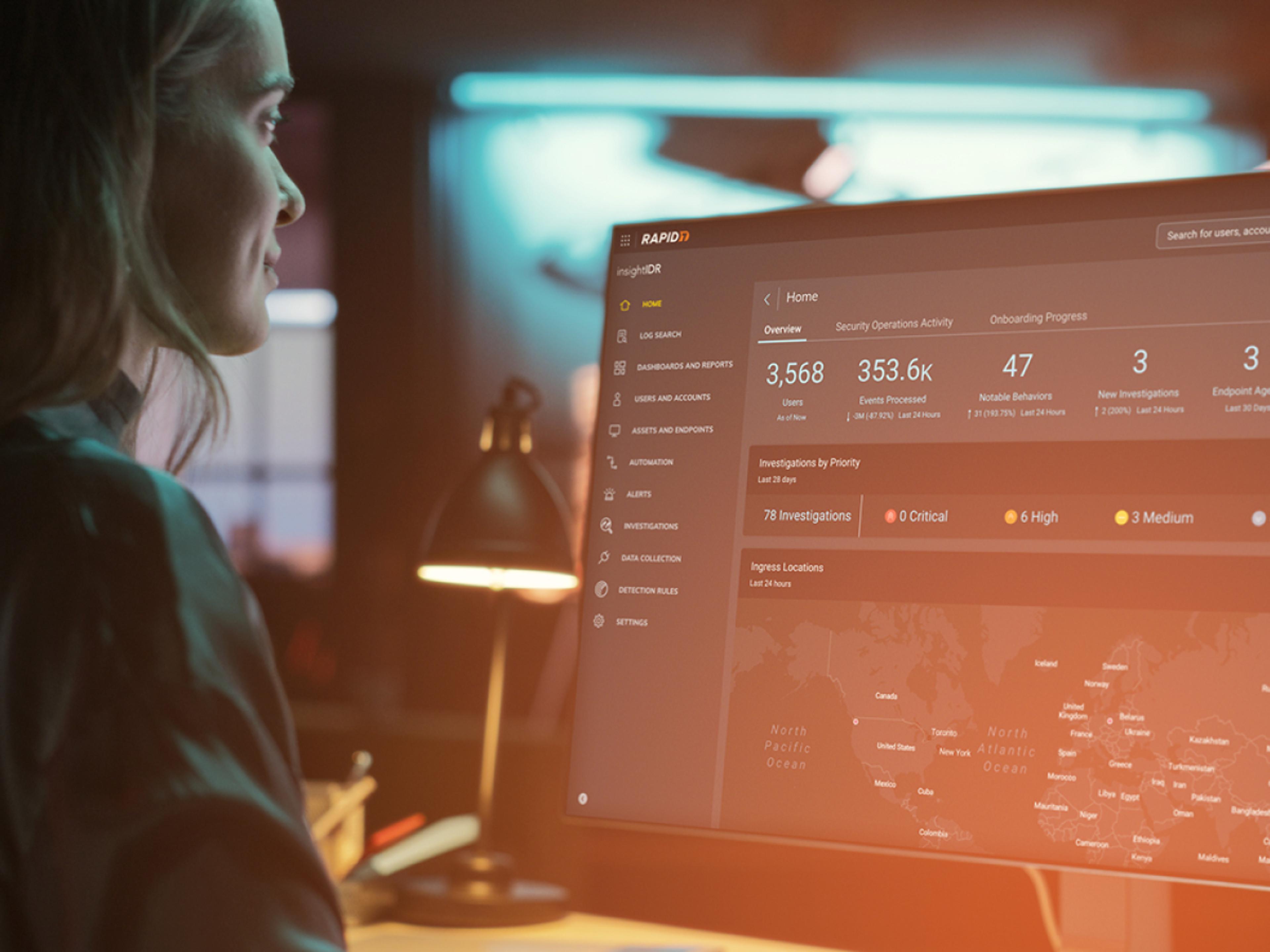
Expose your risks, not your assets
See everything, know what matters, and take action — all in one powerful platform.
2025 Exposure Assessment Platform Buyer´s Guide
Access the guide to learn how you can make the right MDR purchase decision for your program.
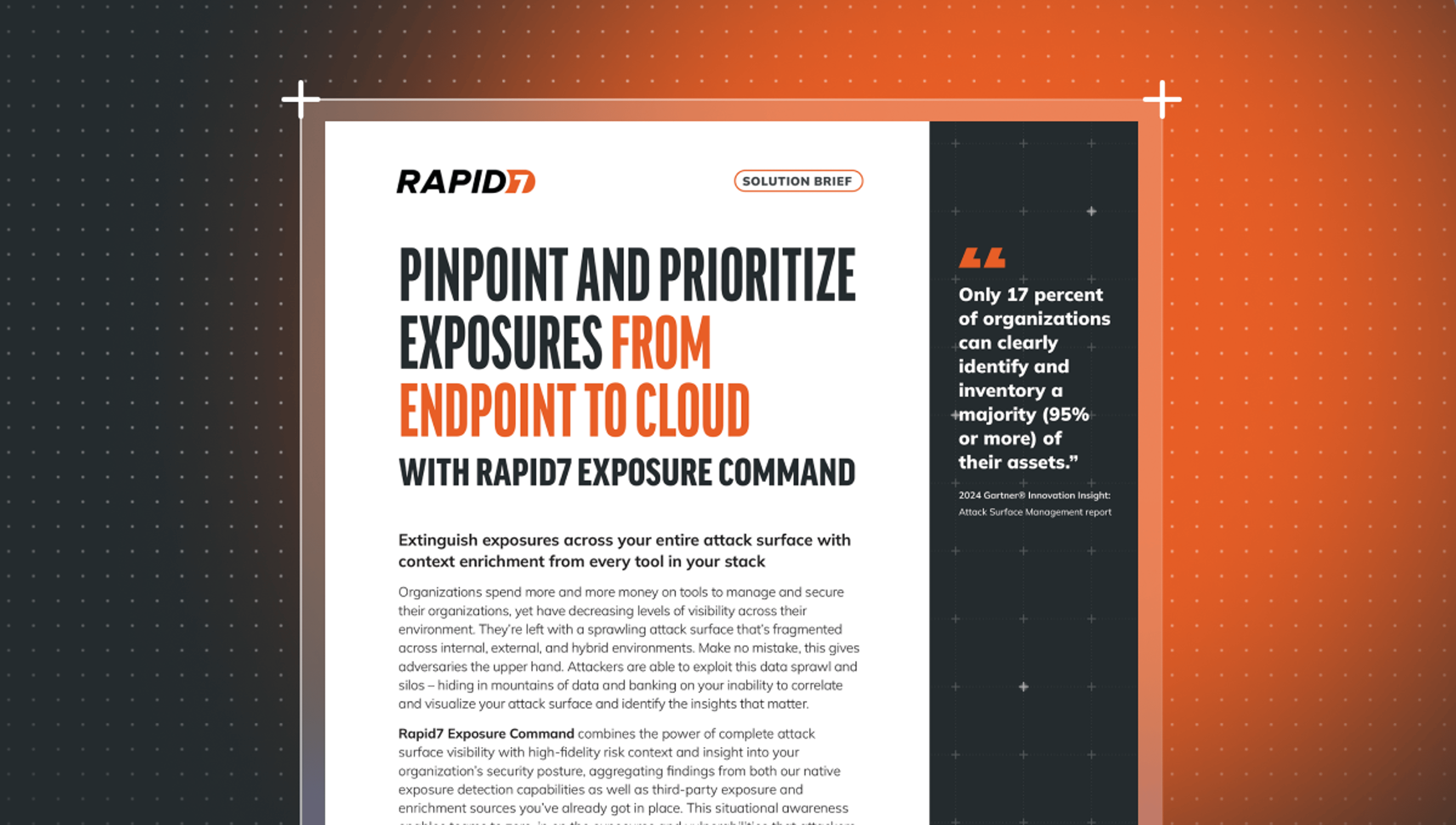
Exposure Command Solution Brief
Pinpoint and prioritize exposures across your entire attack surface from end point to cloud with Exposure Command.